
Practical guides for running project-based trades.
No fluff - just straight guidance on quoting, job costing, purchase orders, invoicing, CIS, VAT and keeping multi-week projects under control.

How to Build a Simple Invoice Escalation Ladder for Construction Teams
Invoice queries stall when nobody knows who should act next. A simple escalation ladder keeps construction invoices moving without sending every problem to the director.

Why Fit-Out Teams Need Tight PO Discipline Before Approving Subcontractor Invoices
Fit-out invoices move quickly, but approval should still follow the purchase order, scope, and variation trail. Tight PO discipline keeps accounts from approving guesswork.
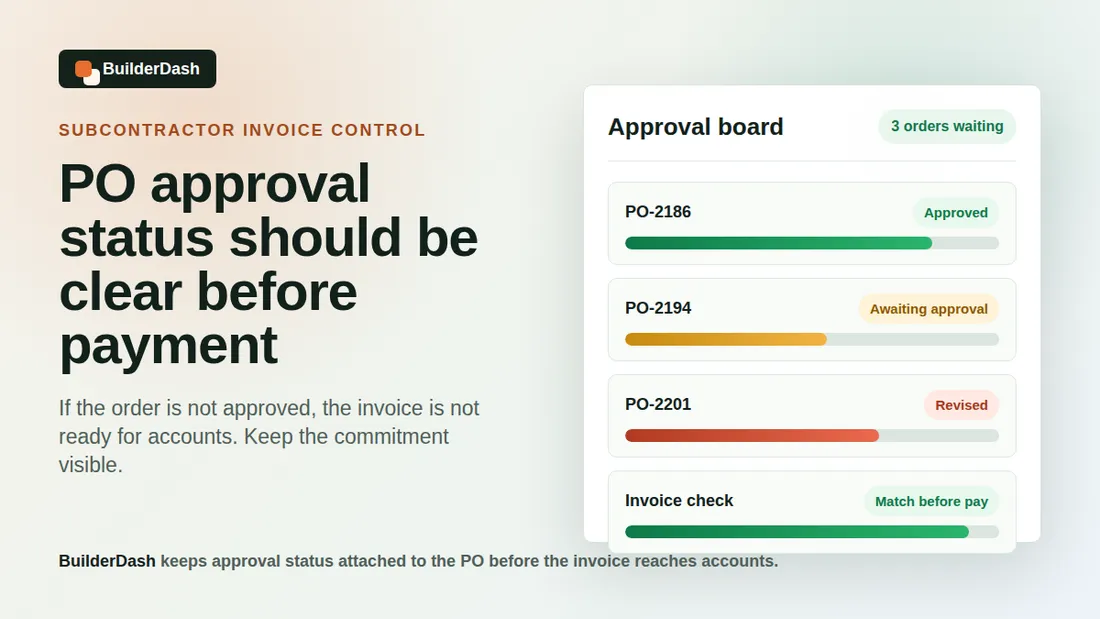
Why Fit-Out Teams Need Tight PO Discipline Before Approving Subcontractor Invoices
Fit-out invoices move quickly, but approval should still follow the purchase order, scope, and variation trail. Tight PO discipline keeps accounts from approving guesswork.
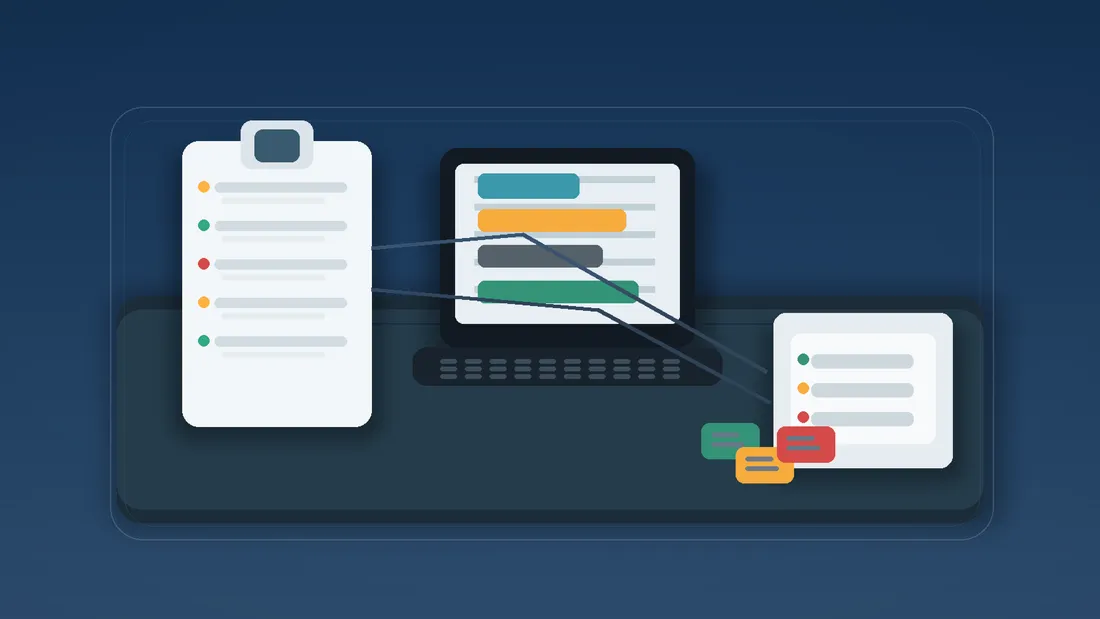
Why Construction Invoice Status Needs a Pending Evidence Step
Invoice statuses often jump straight from received to queried or approved. A pending evidence step keeps missing delivery notes, timesheets, and sign-offs visible instead of buried in email.
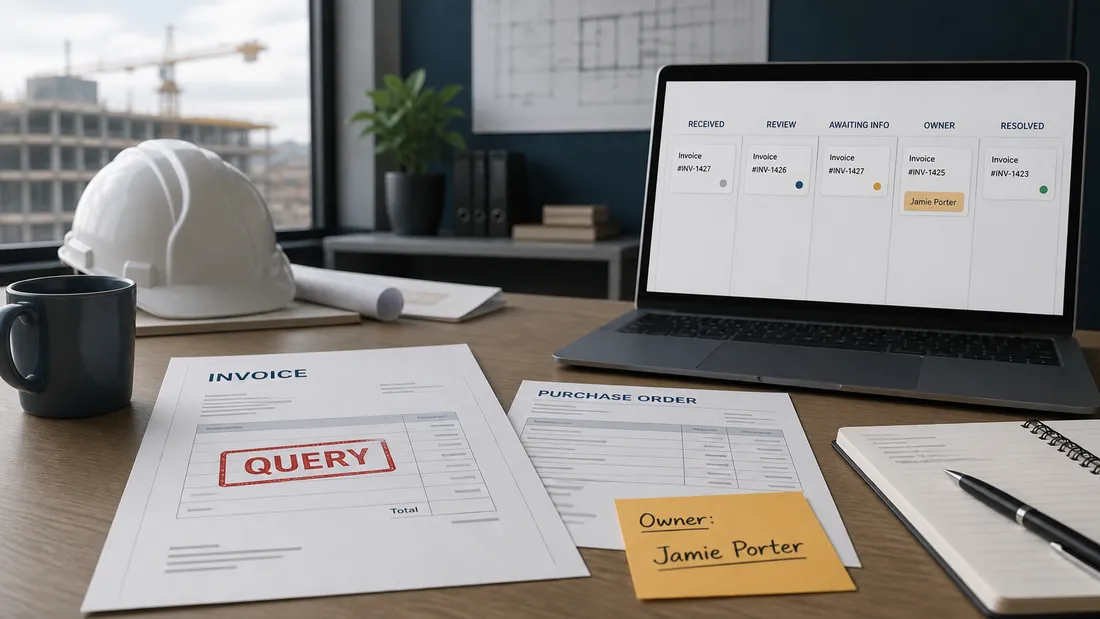
Why Every Construction Invoice Query Needs a Named Owner
Invoice queries often stall because nobody owns the next step. A named owner keeps the issue, the reply, and the deadline in one visible record.

How to Keep Project References, Purchase Orders and Invoices Aligned
Loose project references turn simple invoices into office admin. Use one job reference from quote to payment and cut down on chasing, coding errors and rework.

The Construction Month-End Close Checklist for Small Contractors
A practical month-end close checklist for UK construction firms covering POs, invoices, subcontractor applications, retentions, and committed costs.
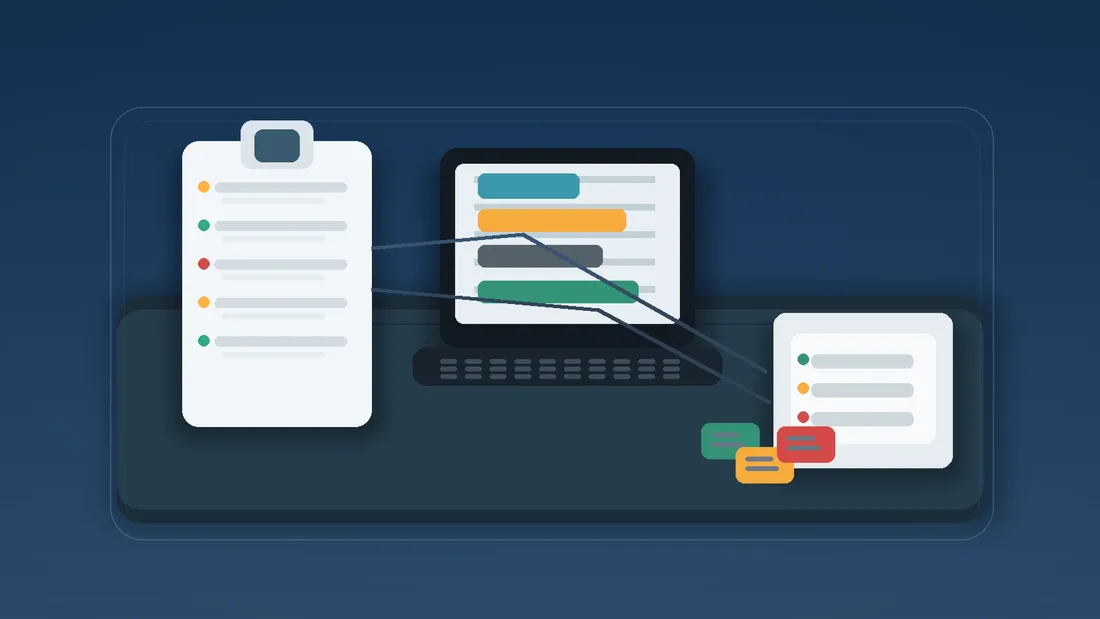
Why Construction Accounts Need a Single Exception Register
A shared inbox is not a control. A single exception register keeps missing PO numbers, wrong job references, partial claims, and disputed values visible until they are resolved.
What Every Construction Invoice Pack Should Contain Before Accounts Touch It
Invoice packs work best when every job sends the same evidence every time. Standardising the PO, reference, approval, and backup stops accounts from guessing and makes automation safer.

How to Spot Partial Invoices Before They Hit Bookkeeping
Partial invoices are easy to miss because they look like normal claims at first glance. A simple check against the original commitment, delivery evidence, and approved scope keeps bookkeeping from posting the wrong number.

How to Spot Partial Invoices Before They Hit Bookkeeping
Partial invoices are easy to miss because they look like normal claims at first glance. A simple check against the original commitment, delivery evidence, and approved scope keeps bookkeeping from posting the wrong number.
What to Do When an Invoice Arrives Without a PO Number
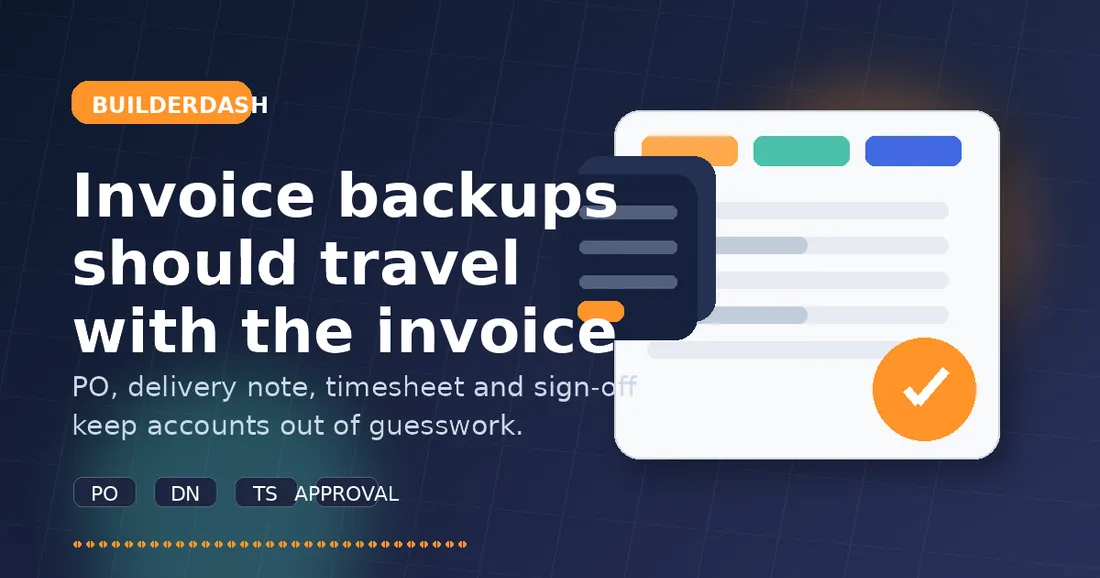
An invoice without a PO number is not a small admin gap. It is a sign that the cost may be hard to match, query, or post correctly unless the team follows a clear triage step.

Why Retention Release Dates Belong in the Job Record
Retention is easy to forget once the invoice has been posted net of the deduction. A simple record for the amount, trigger, and release date keeps the money visible.
Why Subcontractor Payment Applications Need a Clear Approval Trail Before Accounts Posts Them
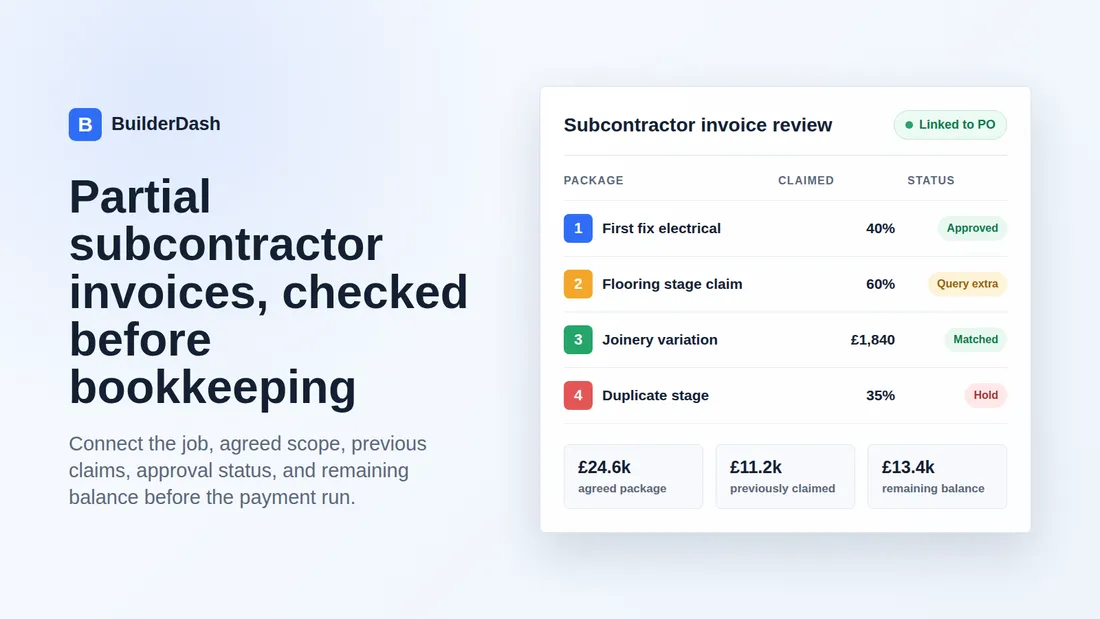
If a subcontractor payment application arrives without a clear approval trail, accounts ends up guessing who signed it off, what was agreed and whether any balance is disputed. Keep the decision, evidence and next action together before posting.
How to Reconcile Subcontractor Applications for Payment Before They Reach Accounts
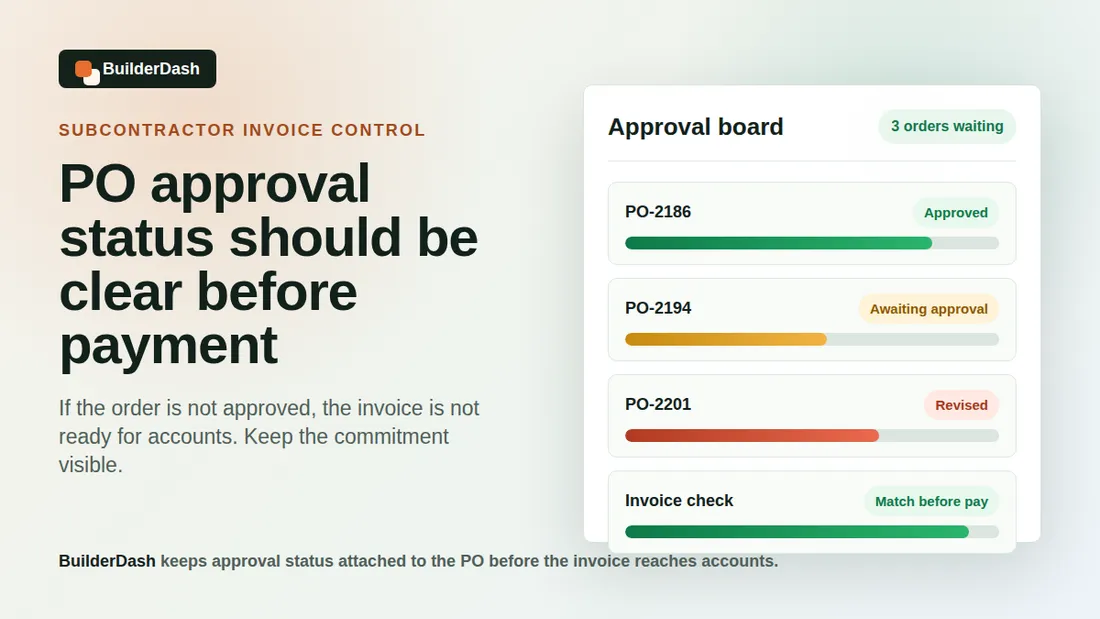
A clean approval trail for subcontractor applications for payment keeps accounts moving, reduces chases, and makes job cost reviews easier.
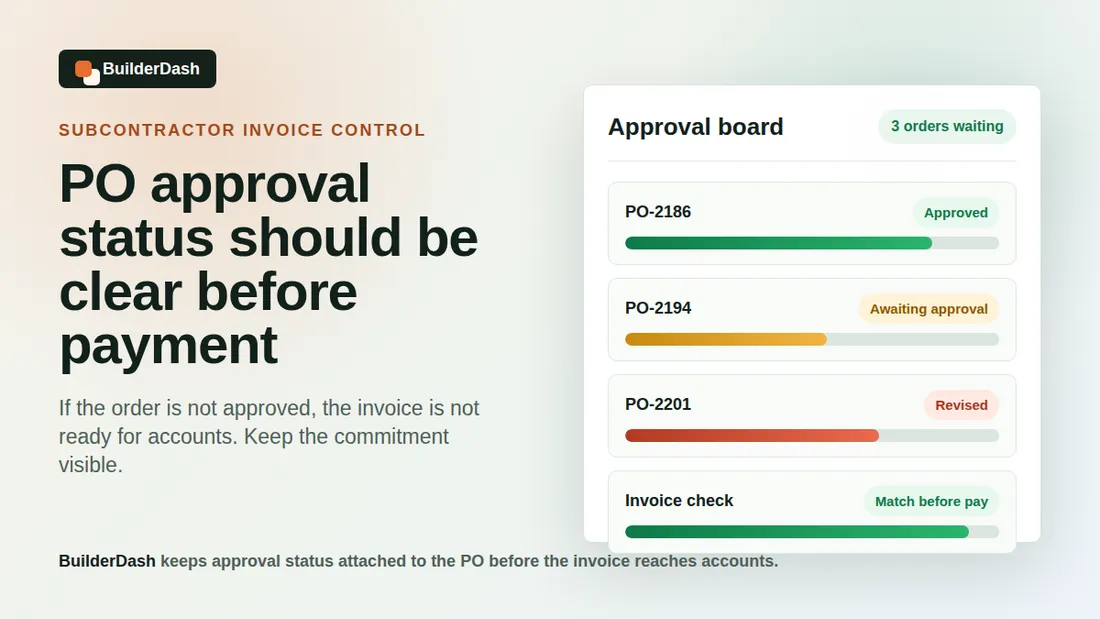
How to Build a Clean Approval Trail for Subcontractor Invoices
If site approvals live in email, WhatsApp and memory, accounts ends up chasing sign-off at the worst possible time. A clear approval trail keeps the invoice, the approver and the next action in one place.
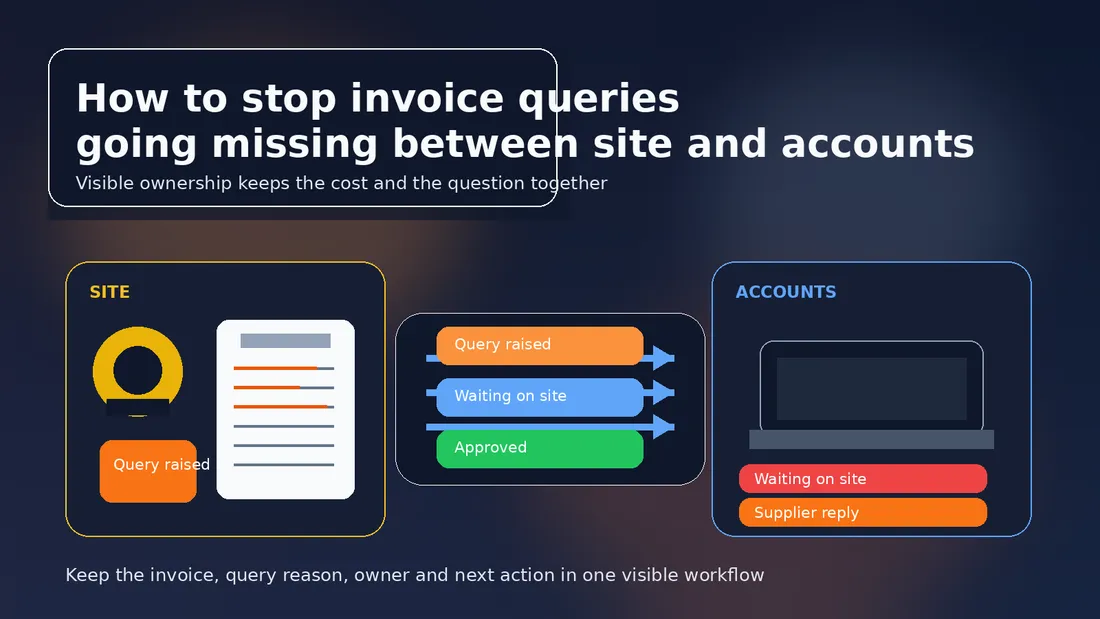
How to Stop Invoice Queries Going Missing Between Site and Accounts
When an invoice question lives only in email, WhatsApp or a memory of a phone call, it is easy for the query to vanish. This workflow shows how to keep the reason, owner and next action visible until the issue is closed.
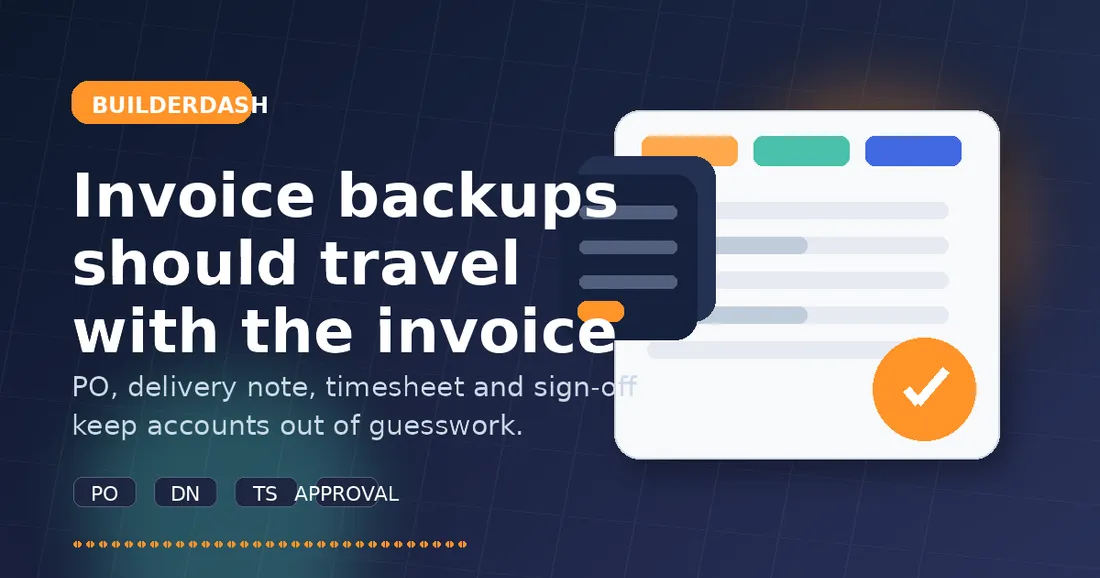
Why Construction Invoice Backups Should Travel With the Invoice
An invoice on its own is not enough evidence. If the PO, delivery note, timesheet or sign-off is missing, accounts is left to guess whether the cost is ready to post.

Why Labour-Only Invoices Should Not Reach Accounts Without a Timesheet
Labour-only invoices are only easy to approve when the timesheet, site reference, and sign-off are already attached. Without that evidence, accounts is left to guess.

How to Track Retentions Without Losing the Release Date
Retention is easy to miss when the deduction sits inside a normal invoice total. Contractors need a simple way to record the retention amount, the release trigger, and the date it should be chased.
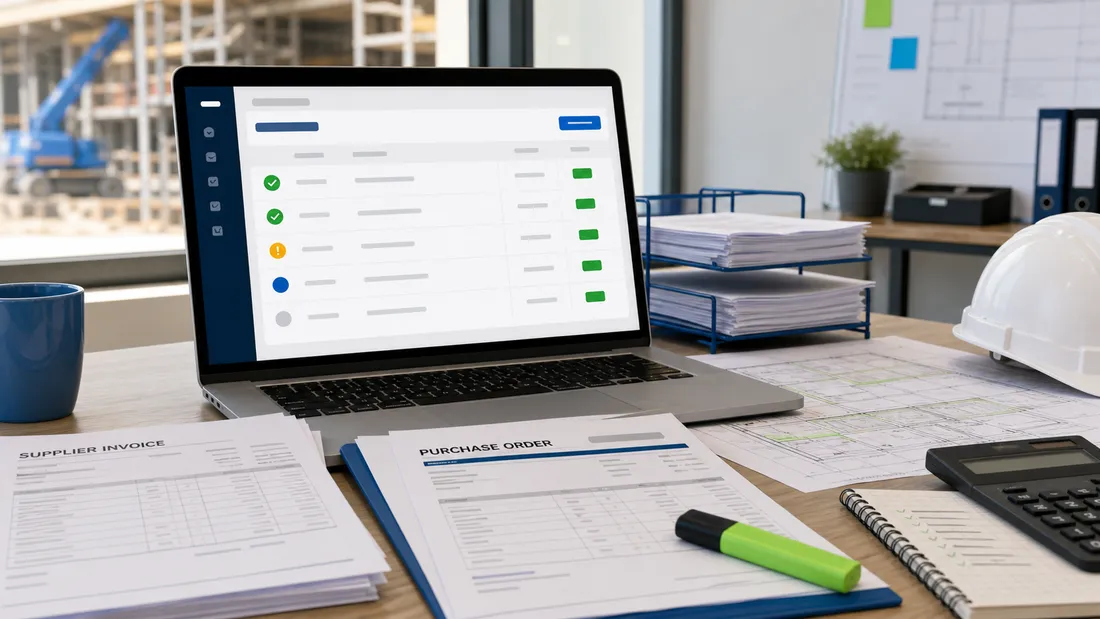
What to Check Before a Construction Payment Run
A payment run should not be a race to clear the accounts inbox. This checklist helps UK contractors decide which supplier and subcontractor invoices are ready to pay, which need a query, and which need better approval evidence first.
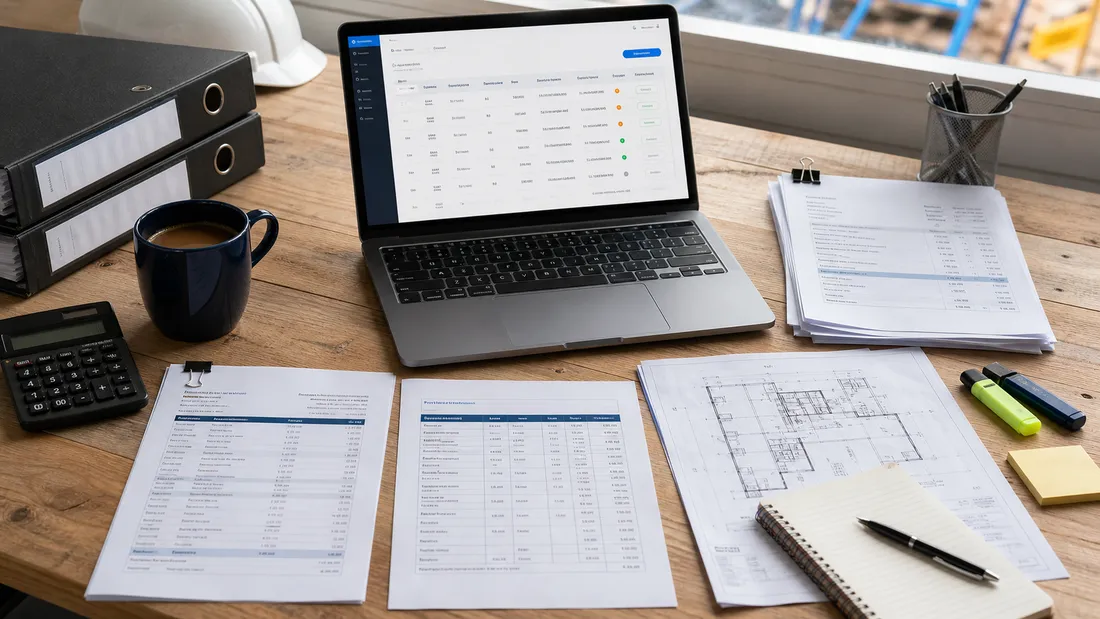
How to Reconcile Supplier Statements Before Month End
Supplier statements are useful only when they are checked against the work, orders, invoices, and queries behind them. Here is a practical month-end workflow for construction teams.
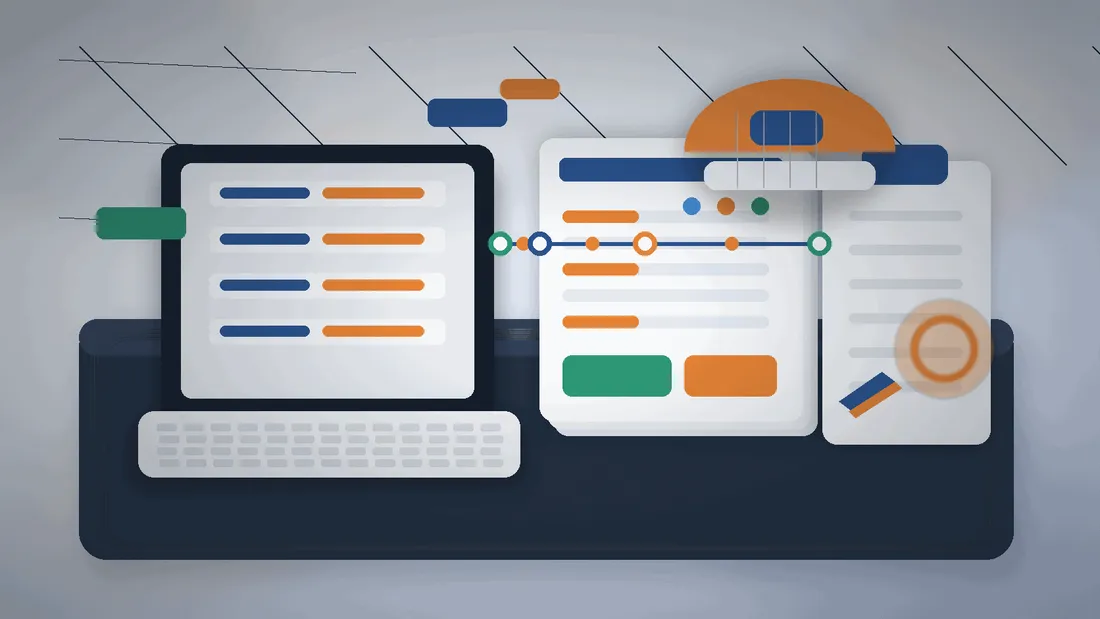
What a Clean Subcontractor Invoice Workflow Looks Like
A subcontractor invoice should be easy to trace, easy to match, and easy to query. The workflow matters more than the invoice file itself.
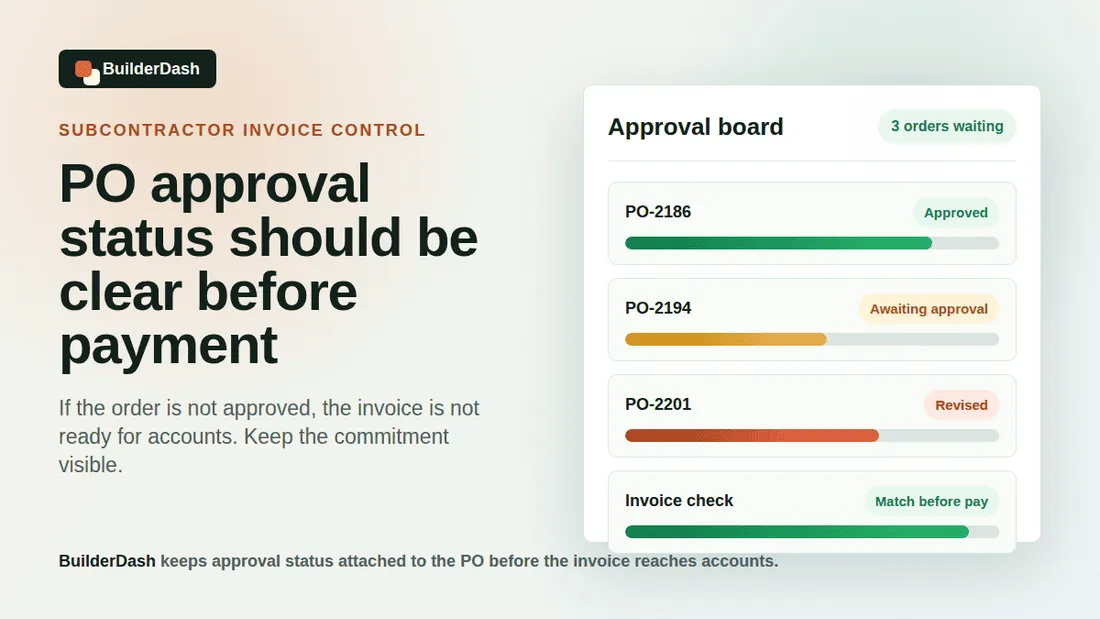
Why PO Approval Status Should Be Checked Before a Subcontractor Invoice Is Paid
An invoice may be accurate and still not be payable. Construction teams need a simple rule for checking PO approval status before costs reach accounts.

Why Delivery Notes Matter Before Materials Invoices Are Approved
A materials invoice should not be approved simply because it names the right site. Matching the purchase order, delivery evidence and invoice helps contractors catch missing, damaged or incorrectly charged goods before payment.
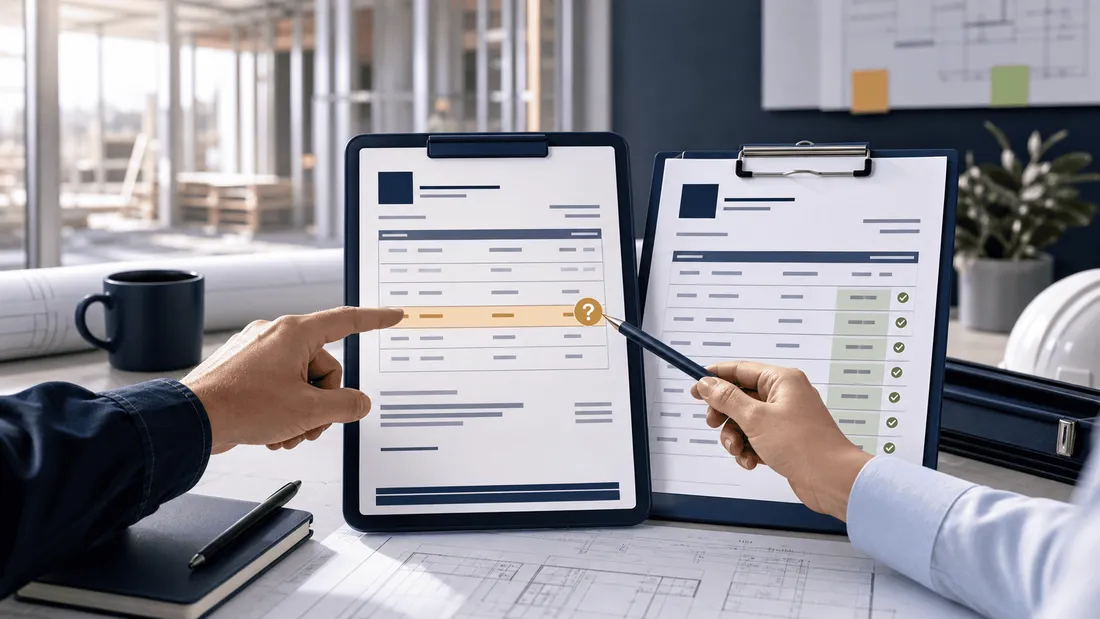
How to Handle Disputed Supplier Invoices Without Losing Cost Control
A queried invoice should not disappear into an email chain or remain fully approved while the site team investigates it. This practical workflow shows how construction businesses can record the issue, protect job costs and reach a clear payment decision.
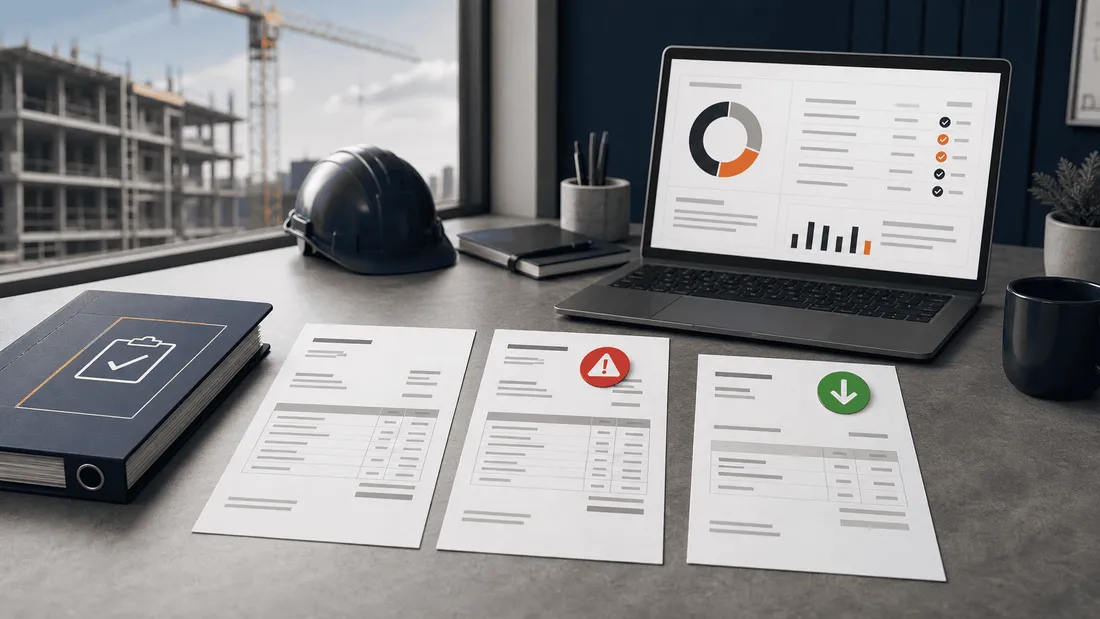
How to Prevent Duplicate Supplier Invoices in Construction
Duplicate invoices can enter a construction business through several routes and still look legitimate. Here is a practical checking workflow for catching repeats, applying credit notes correctly, and keeping job costs accurate before the payment run.
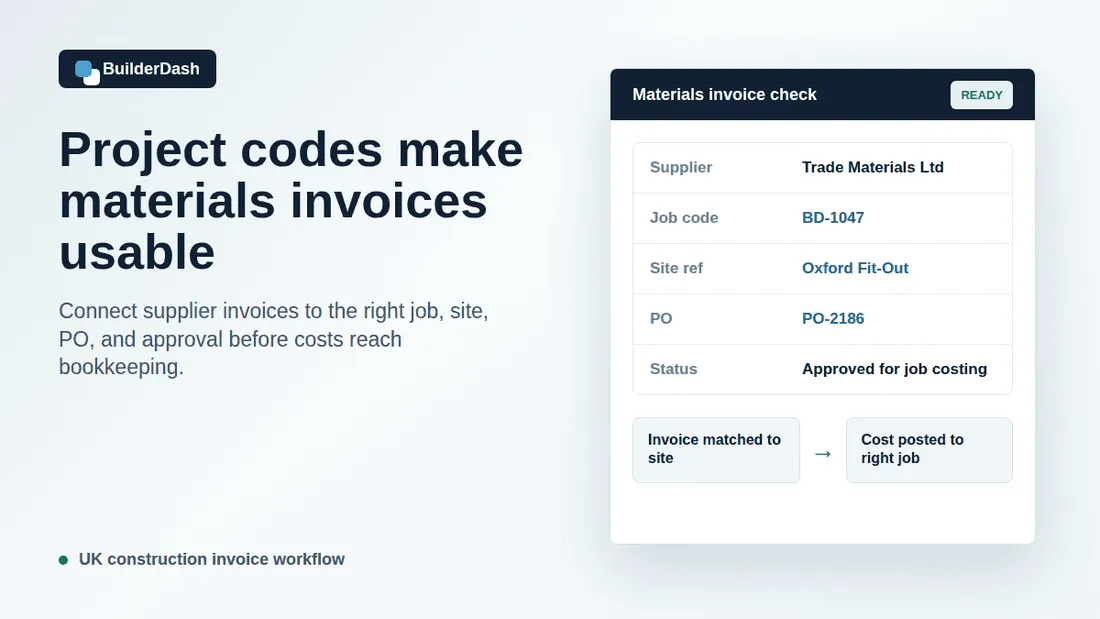
Why Project Codes and Site References Matter on Materials Invoices
Materials invoices become harder to control when the job, site, PO, and delivery context are missing. Clear project codes and site references help accounts and project teams agree what the cost belongs to before it reaches bookkeeping.
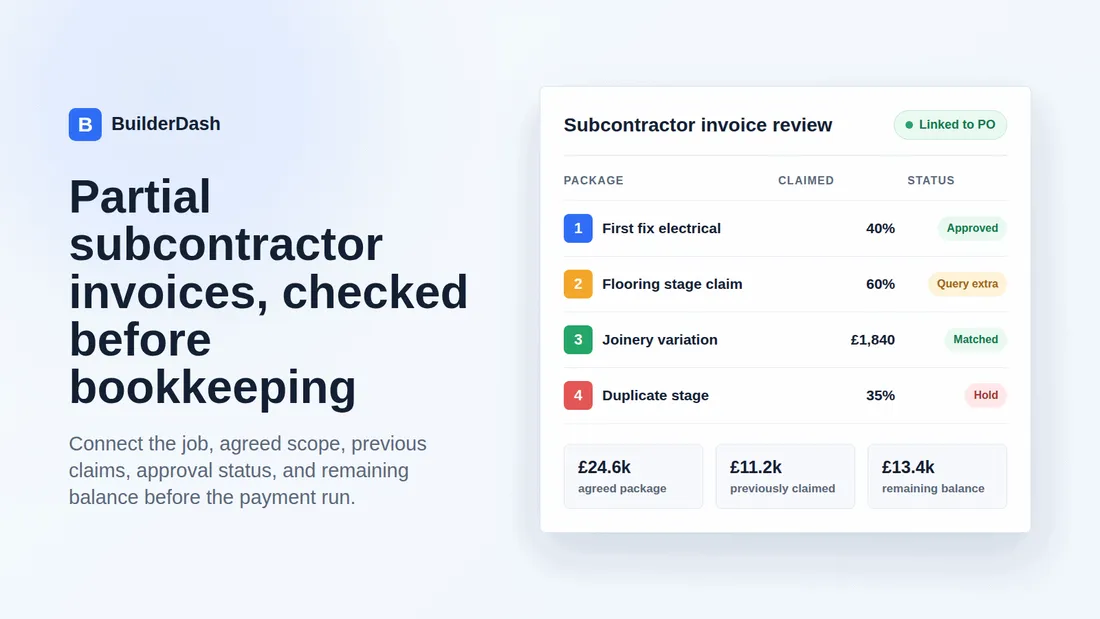
How to Spot Partial Subcontractor Invoices Before They Hit Bookkeeping
Partial subcontractor invoices are not a problem by themselves. The problem is when nobody can see what has already been claimed, approved, queried, or held back.
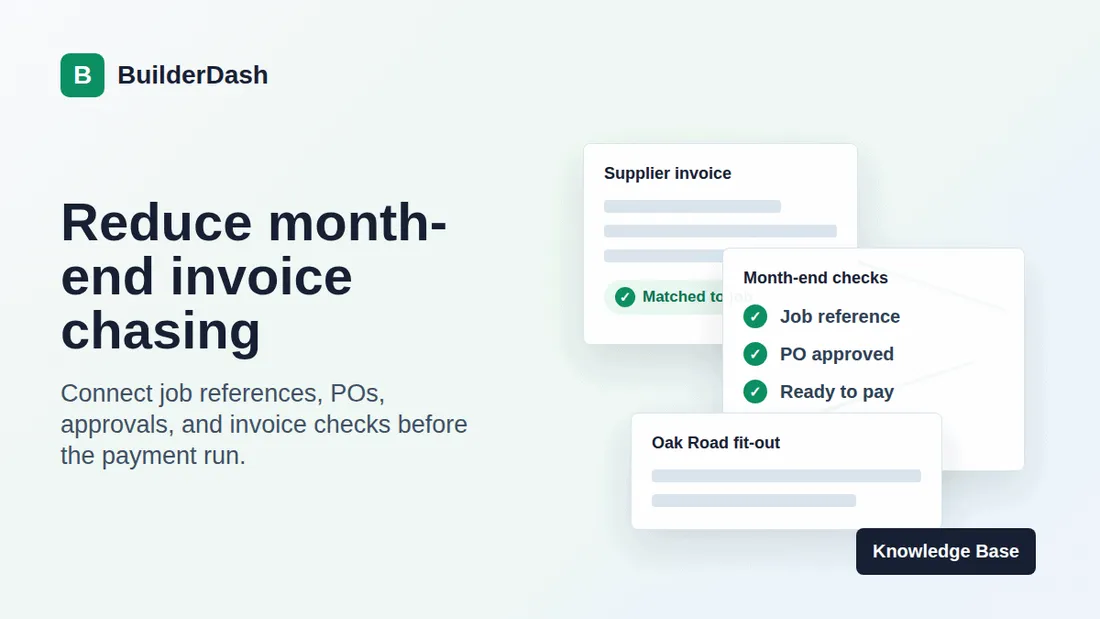
How to Reduce End-of-Month Invoice Chasing in Construction
Month-end invoice chasing is usually a sign that job references, approvals, purchase orders, and invoice checks are not joined up early enough.
Construction Purchase Order Software: How Small Contractors Control Spend Before Invoices Arrive
For small UK contractors, purchase orders are not just paperwork. They are the point where spend control starts, before supplier and subcontractor invoices reach accounts.
Reading is good. Running the job properly is better.
Put it into practice with BuilderDash - one system for every enquiry, job, quote and invoice.